friendica.mifritscher.de


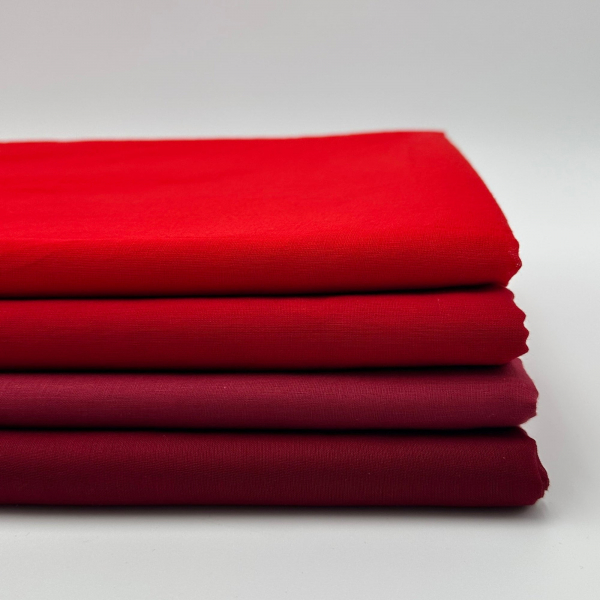
Maroon Colour Turban: Classic, Strong & Cultural

A maroon colour turban carries a sense of depth, dignity, and tradition. Its rich shade makes it ideal for weddings, ceremonies, and daily wear with a regal touch. Maroon pairs beautifully with cream, gold, black, and earthy tones, offering a balanced blend of elegance and authority. A timeless choice for those who appreciate classic Sikh style at https://www.meridastar.in/collections/red

What unexpected wisdom did love teach you about *you*?

Let’s be honest: my Google Calendar is a terrifying place. It’s a color-coded minefield of Zoom links, deadlines, quarterly reviews, and reminders to "drink water" that I usually ignore.

For the longest time, I wore my "I’m too busy to date" badge with a mix of pride and exhaustion. I told my friends I didn't have the bandwidth to sift through hundreds of profiles just to get ghosted. I treated dating apps like just another inbox to clear—a chore.

But recently, I had a bit of a wake-up call. I realized that keeping myself "too busy" was actually a defense mechanism. I wasn't protecting my time; I was protecting my ego.

Love, or at least the pursuit of it, taught me something unexpected: I’m not actually too busy for connection. I was just burnt out on *inefficiency*.

I didn’t need more hours in the day. I needed a better way to filter out the noise and find someone who was on the same page.

**The "Time is Money" Trap**

We’ve all been there. You finish a ten-hour workday, your brain is fried, and you open a dating app. You swipe left, swipe left, swipe left. It feels mindless.

When you finally match, the conversation drags. "Hey." "Sup." It’s painful.

I realized that my frustration wasn’t with romance; it was with the *process*. As a professional, I optimize everything else in my life. Why was I settling for such a messy, unorganized approach to my personal life?

That’s when the wisdom hit me: **My standards for my time should apply to my heart, too.**

I stopped looking for "fun" and started looking for substance. I wanted to see clear photos, read actual bios, and use search tools that didn't feel like a slot machine.

**Finding the Right Tools**

In my quest to stop wasting evenings, I decided to change my environment. If you want high-quality results, you stop using low-quality tools.

I needed a place where intentions were clear. I wanted to log in, see who was actually active, and have a conversation that went deeper than the weather within the first five minutes.

It’s about intentionality. When I started using https://naomidate.com/ , the vibe shifted immediately because the platform seemed designed for people who actually wanted to talk, not just collect matches for an ego boost.

Suddenly, I wasn't doom-scrolling. I was looking at profiles that had effort put into them. I was reading messages that were thoughtful.

**The Joy of Efficiency (and Romance)**

Here is what I learned about myself once I stripped away the clutter: **I crave peace more than drama.**

When you are busy, you don't want a relationship that feels like a puzzle you have to solve every day. You want a sanctuary.

Love taught me that the most romantic thing someone can do is be consistent.

On this new journey, I found that using specific search filters wasn't "unromantic"—it was smart. Being able to find someone who shares my interests immediately saved me weeks of "getting to know you" awkwardness.

Imagine this scenario:
* You check your messages between meetings.
* Instead of a lazy gif, you see a message referencing a photo you posted from your last hiking trip.
* They ask a real question.
* You smile, type a quick genuine reply, and go back to work feeling lighter.

That small dopamine hit? That’s what kept me going. It wasn't a distraction; it was fuel.

**What Love Taught Me About Boundaries**

The biggest lesson? **I don’t have to compromise my career to have a love life.**

I used to think I had to choose. I thought being a "busy professional" meant I was destined to be the single aunt/uncle at weddings forever.

But the truth is, successful people make the best partners because we understand the value of time. We don't play games because we literally cannot afford to.

When I started connecting with people who respected that, the dynamic changed.

* **Communication became crisp:** We made plans, and we stuck to them.
* **Vulnerability became a strength:** saying "I'm swamped today, can we talk tomorrow?" was met with understanding, not insecurity.
* **Connection felt earned:** because we were both making time for it.

**The Takeaway**

If you are reading this and thinking, "I just don't have the energy," I get it. I really do.

But maybe you don't need *more* energy. Maybe you just need to stop pouring it into the wrong places.

Love taught me that I am worthy of a partner who fits into my life, rather than one who forces me to rearrange it. It taught me that efficiency and romance can actually coexist beautifully.

So, close the spreadsheets for a second. Take a look at who is out there. You might find that the right person doesn't make you busier—they make the busy days worth it.
What gives you the courage to truly open your heart?

You know that moment right before you hit send? That split second where your thumb hovers over the screen and your heart does a little flip?

It’s terrifying, isn’t it?

We talk a lot about "putting yourself out there," but we rarely talk about the sheer amount of bravery it takes to actually do it. To tell someone a real story about your childhood, to admit you’re nervous, or just to say, "Hey, I really enjoyed talking to you."

Let’s be honest—most of us have built up some pretty thick armor over the years. We’ve all been ghosted, misled, or just treated like an option rather than a priority. After a while, keeping your guard up feels less like a choice and more like survival.

But here’s the thing: you can’t make a genuine connection while wearing a suit of armor. You have to lower the drawbridge eventually.

The secret isn’t just "being brave." It’s knowing *when* it’s safe to be brave. It’s about becoming a detective for "Green Flags."

I call myself a "Safe Dater." I don’t mean I’m boring; I mean I prioritize emotional safety. I look for environments and people that make vulnerability feel like a natural step rather than a leap of faith.

When I’m browsing through profiles, I’m not just looking for a cute smile. I’m looking for effort.

One of the biggest green flags I look for is a completed bio. It sounds simple, but think about it. If someone takes the time to write about their hobbies, their weekends, or what makes them laugh, they are already investing in the process. They are showing up.

That’s why I’ve found myself gravitating toward platforms that encourage this kind of depth. For instance, https://amourmeet.com/ does a great job of creating a space where people actually fill out their details, making it so much easier to get a sense of the human behind the screen.

When you can see a person’s interests laid out—maybe they love hiking on rainy days or they’re obsessed with old sci-fi movies—you have a safe opening. You aren't guessing. You’re responding to something real.

Once you start chatting, the next green flag is the "Tennis Match."

We’ve all had those conversations that feel like an interview where you’re the only one asking questions. A safe match hits the ball back.

If you ask them about their day, they answer and then ask about yours. If you mention you had a rough week, they pause to ask why before moving on to a new topic. This back-and-forth flow is the bedrock of safety. It tells your nervous system, "Hey, this person sees me. It’s okay to say a little more."

Another massive green flag? Consistency.

I’m not talking about instant replies 24/7—we all have jobs and lives. I’m talking about a reliable rhythm. When someone is genuinely interested, they don't leave you hanging in anxiety limbo for three days without explanation.

When I use chat features, I pay close attention to the tone. Is it respectful? Do they respect my boundaries?

If I say I’m not ready to share my phone number yet and prefer to keep chatting on the site, a "Green Flag" person says, "No problem, whatever makes you comfortable." That reaction alone can give you the courage to eventually take that next step.

Visuals matter too, but not in the superficial way you might think.

When I look at photos, I look for "real life." Perfectly curated, magazine-style shots are nice, but they can feel distant. I love seeing a photo of someone laughing with friends, or a slightly blurry shot of them with their dog.

These imperfections are invitations. They say, "I’m a real person, not a product."

Finding these signs allows you to exhale. It changes the narrative in your head from "What if I get hurt?" to "I think I can trust this person with a bit more of me."

Courage isn't about diving into the deep end blindly. It's about dipping your toes in, feeling the temperature, and realizing the water is warm.

So, take a look at those profiles. Read the bios. Send that message to the person who made you smile. When you know what to look for, opening your heart doesn't feel like a risk anymore—it feels like coming home.

What's the first sign your guard starts to drop?

Let’s be honest for a second. After a bad breakup or a long dry spell, the hardest part isn't actually meeting someone new. It isn’t figuring out what to wear on a date, or even the awkwardness of making small talk.

The hardest part is convincing yourself to even try.

We’ve all been there. You build this wall, brick by brick. It’s a defense mechanism, pure and simple. You tell yourself you’re "focusing on yourself" or that you’re "just too busy right now," but deep down, it’s fear. You’re protecting yourself from getting hurt again. You embrace the cynicism. You look at happy couples and think, *yeah, give it six months.*

But then, something shifts. It’s rarely a lightning bolt moment. It’s quiet.

I remember when I decided to dip my toe back into the water. I wasn’t looking for marriage, and I certainly wasn’t looking for drama. I just missed... connection. I missed having someone to tell about the weird dog I saw at the park, or someone to send a funny meme to at 10 PM.

That’s usually the first crack in the armor: the realization that independence is great, but shared laughter is better.

So, you take a deep breath, and you decide to look. You don’t want the noise of the usual chaotic apps where everyone is swiping left on human beings like they are shopping for shoes. You want something that feels a bit more human.

This is usually where the anxiety spikes. You upload a photo. You write a bio that isn’t too serious but not too goofy. You feel vulnerable.

But here is the thing about modern dating—it doesn’t have to be a high-pressure interview. I found that spaces like https://myspecialdates.com/ can actually act as a really gentle bridge back into the world of romance. It feels less like a meat market and more like a community where people are actually looking to talk, not just hook up.

So, what is the first real sign that your guard is actually dropping?

For me, it was the "phone flip." You know what I’m talking about. For months, when my phone buzzed, I ignored it. Or I looked at it with dread, assuming it was a work email or a bill.

But once I started chatting with people, I found myself actually *looking* for the notification.

Imagine this scenario: You’ve been chatting with someone for a couple of days. The conversation flows. They aren’t giving you one-word answers. They ask you about that obscure band you listed in your interests.

You put your phone down to go make coffee. It buzzes. You don’t groan. You don’t roll your eyes. You feel that tiny, almost imperceptible flutter in your chest. You rush back to the counter to see what they said.

That’s it. That is the moment the wall comes down.

It’s not about falling in love instantly. It’s about curiosity replacing suspicion.

Here are a few other signs I noticed when I finally started letting people in again:

* **You stop analyzing every word.** In the beginning, you read a message ten times. *What did they mean by that emoji? Are they being sarcastic?* When your guard drops, you take things at face value. You trust that a smile is just a smile.
* **You share the boring stuff.** When you’re guarded, you only present the "highlight reel" version of yourself. When you start to feel safe, you admit that you spent your Saturday night watching three hours of cat videos. And the best part? They don’t judge you; they laugh with you.
* **You actually look at the photos.** I don’t mean just glancing. I mean really looking. You see a photo of a match hiking, and instead of thinking *oh, another hiking photo*, you wonder where that trail is. You start to picture yourself in the frame.

It’s a process. And it is okay if it takes time.

The beauty of using a platform focused on genuine interaction is that you control the pace. You can chat for as long as you need to. You can bond over shared hobbies—whether that’s cooking, sci-fi movies, or travel—before you ever have to worry about meeting face-to-face.

The chat features become a safety net. You can be witty, you can be thoughtful, and you can step away when you get overwhelmed.

Eventually, you realize that the "other person" on the screen isn’t an enemy or a potential heartbreak. They are just a person. They are probably just as nervous as you are. They are probably looking at their phone right now, hoping for a reply, wondering if they said the right thing.

That realization is powerful. It humanizes the whole experience.

If you are sitting there reading this, thinking you are "too damaged" or "too old" or "too tired" to try again, please hear me: You aren’t.

The capacity to connect is still there. It’s just been hibernating.

You don’t have to dive in headfirst. You don’t have to promise anyone forever. You just have to be willing to open the door an inch. You might be surprised at how much light comes pouring in.

Taking that second chance isn't about forgetting the past. It's about refusing to let the past dictate your future. And trust me, that first moment you smile at your screen without even realizing you're doing it? It makes all the bravery worth it.

My 24-Hour Slot Withdrawal Test

Alright, folks, let's talk real talk about getting your cash out from online slots. We've all been there, hitting a nice win, then that anxious wait begins. "How long will this take?" I ask myself every time. So, I decided to run a little experiment: My 24-Hour Slot Withdrawal Test. For this deep dive, I focused on what happens after you click "withdraw" at https://slotfred-australia.com/ .

Analysis Section 1: The Grind and Game Mechanics

I hit the reels hard on a few favorites to build up a withdrawable balance. I spent most of my time on Wolf Treasure and Sweet Bonanza. Both are from Pragmatic Play, a top-tier provider.

Wolf Treasure gave me decent runs, showcasing its classic free spins round, triggered by those moon scatter symbols. The volatility felt medium, not too wild, but enough for some good hits.
Sweet Bonanza is pure cascade action. Its high volatility means bigger, less frequent wins. No traditional paylines here; it pays anywhere for clusters. The RTP on these games is generally fair, sitting around the industry average.

Getting those wild features to line up and trigger bonuses, that's where the real excitement is. And it's where you build a balance for that withdrawal test.

Analysis Section 2: Bonuses, The Math, and Cashing Out

My test included playing through a welcome bonus. This meant dealing with wagering requirements. For my bonus, it was 35x the bonus amount, which is pretty standard. You gotta hit those playthrough numbers before anything becomes real cash. I also paid attention to the max win potential on the games, just to know my limits.

Here’s a quick look at the withdrawal process and what I found:

Withdrawal Method Claimed Speed My Test Result Notes
E-Wallets 24 hours ~18 hours Fastest, no issues.
Bank Transfer 1-3 Business Days N/A (did not test) Generally slower.

The pending period at SlotFred was exactly what they said: around 24 hours. This initial processing is critical. Once it passed that, my e-wallet withdrawal hit my account in under an hour. That's fast. But remember, if you're playing with bonus funds, there might be a max cashout limit – for me, from a specific free spins offer, it was $200. This variance in terms really impacts your final payout. The house edge is always there, sure, but understanding bonus terms is key to seeing any actual money.

Pro Tip: Always, always complete your account verification (KYC) before you even think about withdrawing. Delays happen otherwise. Trust me on this one.
Bottom Line

My 24-hour slot withdrawal test at SlotFred Australia was a success. The funds hit my e-wallet within the expected 24-hour window, factoring in their processing time. It wasn't instant, but it was predictable. Understanding the RTP, volatility, and especially those wagering requirements is vital. If you play smart and get your verification done, getting your winnings shouldn't be a headache. It's about realistic expectations, and SlotFred delivered.

My Old Slot's RTP: Did It Change Over Time?

Alright, folks, let's talk about something that bugs a lot of us long-time slot players: RTP. Specifically, "My Old Slot's RTP: Did It Change Over Time?" It's a question I hear all the time in forums, and honestly, it’s a valid one. We all have that one game we loved, right? Played it for ages, then suddenly, it just feels… different. Less giving. But does the Return to Player (RTP) percentage actually change?

Before we dive in, if you're looking for some fresh spins or new games to try, check out what’s on offer at https://fafabet9-australia.com/ . They've got a solid selection.

Point 1: Game Mechanics and Provider Settings

So, officially? The RTP of a slot game, once released by a reputable provider like Pragmatic Play or NetEnt, usually stays fixed. It’s hard-coded into the game’s math model. Think of games like Gates of Olympus or Starburst. Their advertised RTP is what it is. Operators don't usually just fiddle with it on a whim. But, here's the kicker: some providers do release slots with different RTP settings for various markets. This means one casino might offer Book of Riches Deluxe at 96% RTP, while another has the exact same game at 94%. Always check the game info.

Tip: Look for the info button within the game itself. That's where the developer usually lists the official RTP.
Volatilitу and variance are often confused with RTP. These relate to how often and how big your wins are, not the overall return percentage. A high volatility slot like Megaways Mania might have long dry spells then huge max win potential, even with a good RTP.
Point 2: Your Perception vs. Reality

Let's be real, sometimes it’s us, not the game. We hit a lucky streak, stack up some free spins, get those sweet scatter symbols aligning, maybe even a few wild features for massive wins. The game feels hot! Then, inevitably, things cool down. That's just how random number generators (RNGs) work. The casino always has a house edge, and short-term results can fluctuate wildly. My own experience with "Dragon's Fortune" felt like the paylines never hit for a month, then suddenly, boom, a decent payout. Was the RTP changed? Probably not. Just the ebb and flow of luck.

Remember: Past performance doesn't guarantee future results. This isn't investment advice, it's gambling!
A slot's variance dictates the shape of its payout curve. High variance means big swings, low variance means more frequent, smaller wins.
Point 3: Bonuses, Wagering, and Your Actual Take

This is where things can feel like the RTP is lower, even if it isn't. When you claim a bonus, you often face wagering requirements. Say you get a deposit match. That bonus money, and sometimes even your deposit, needs to be played through 30x or 40x before you can cash out. This table shows how those wagering requirements can impact your effective cashout:

Bonus Type Example Wagering Effective Playthrough
Deposit Match 30x (B+D) $100 bonus + $100 dep = $6000 required
Free Spins Winnings 40x $50 win = $2000 required

See how that eats into your winnings? It's not the slot’s RTP changing, but the conditions under which you're playing. Payment speeds also play a role; on average, crypto withdrawals from a site like fafabet9-australia.com can be 0-1 days, but bank transfers might take 1-5 business days to clear, making you wait longer for your funds.

Verdict: It's More Complicated Than You Think

So, did your old slot's RTP change over time? In most cases, probably not. The core programming remains. But your perception, the game's inherent volatility, and crucially, the wagering requirements tied to bonuses can heavily influence your experience. Always play smart, read the terms, and understand that some days are just better than others. It's the wild nature of online slots, and honestly, that’s why we love them!
neuer älter